Cup rings to clean tabletop
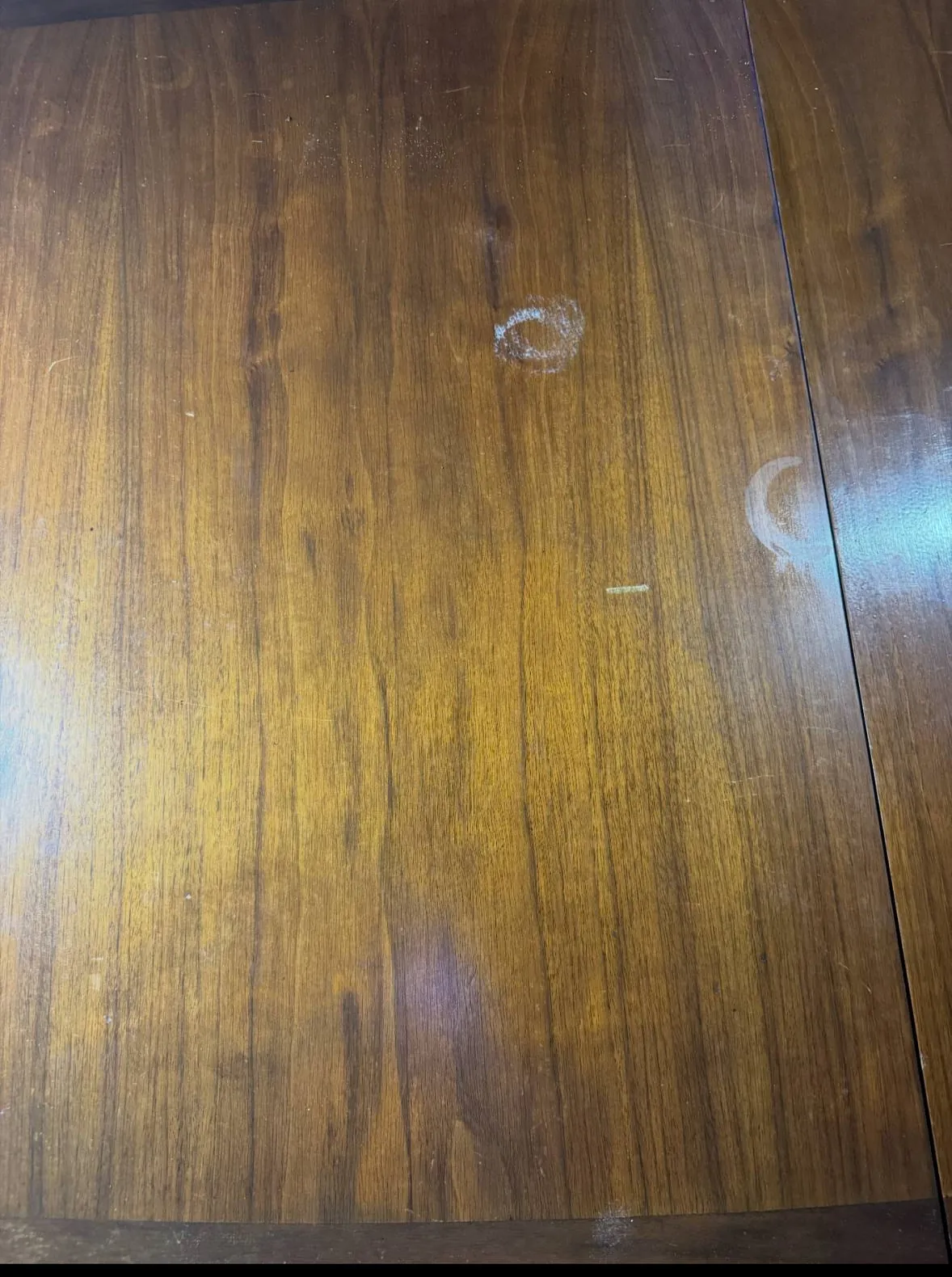
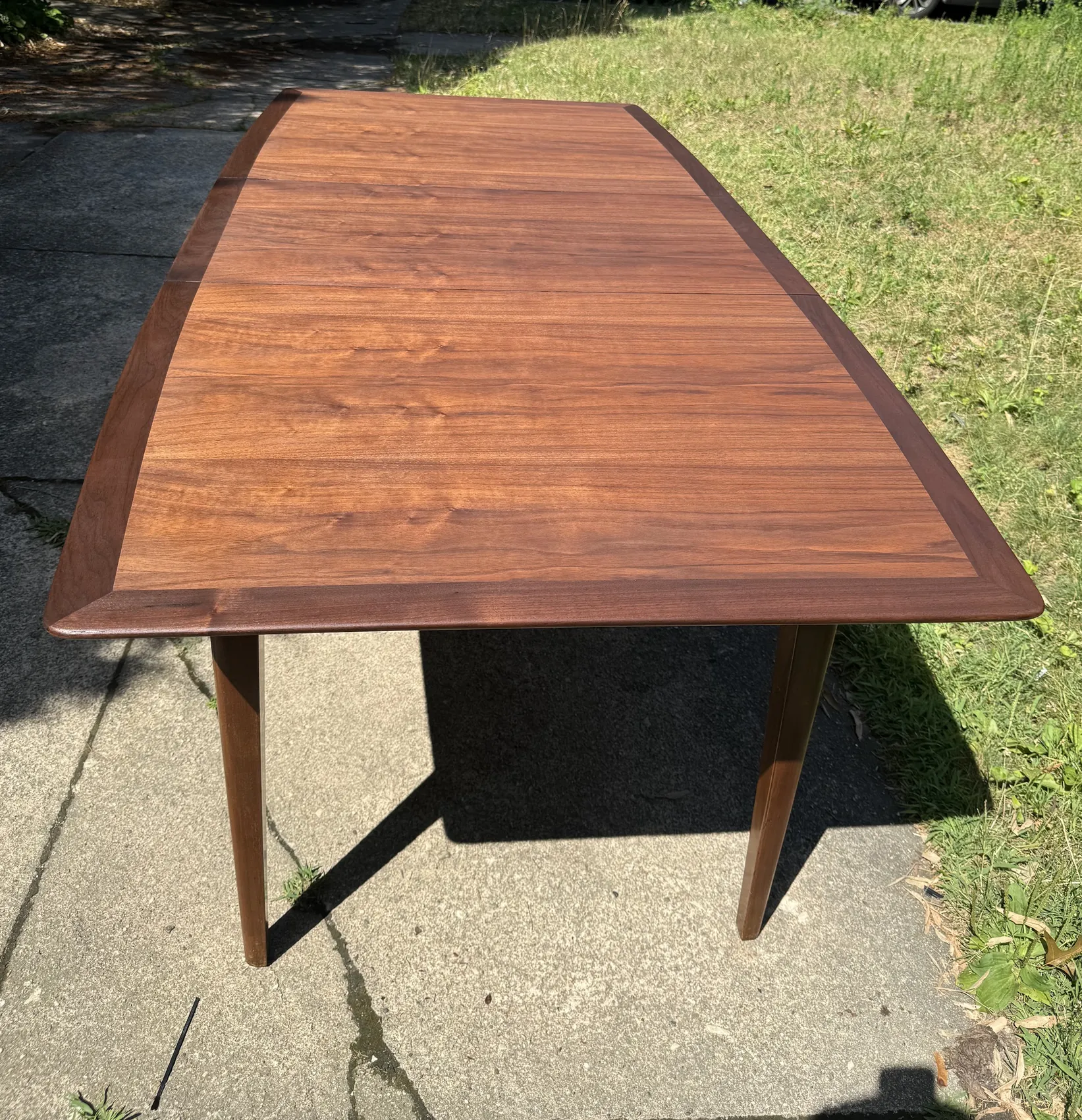
The failed soft coating kept holding cup rings and cloudy marks. After stripping, sanding, stain work, and a new protective top coat, the tabletop read clean again.

A wood table had a failed soft polyurethane finish that stayed tacky and kept taking cup and item marks. Repair Asap took the table to a workshop, removed the old coating, matched the stain color with the client, and applied a new protective polyurethane finish over a two-day refinishing process.
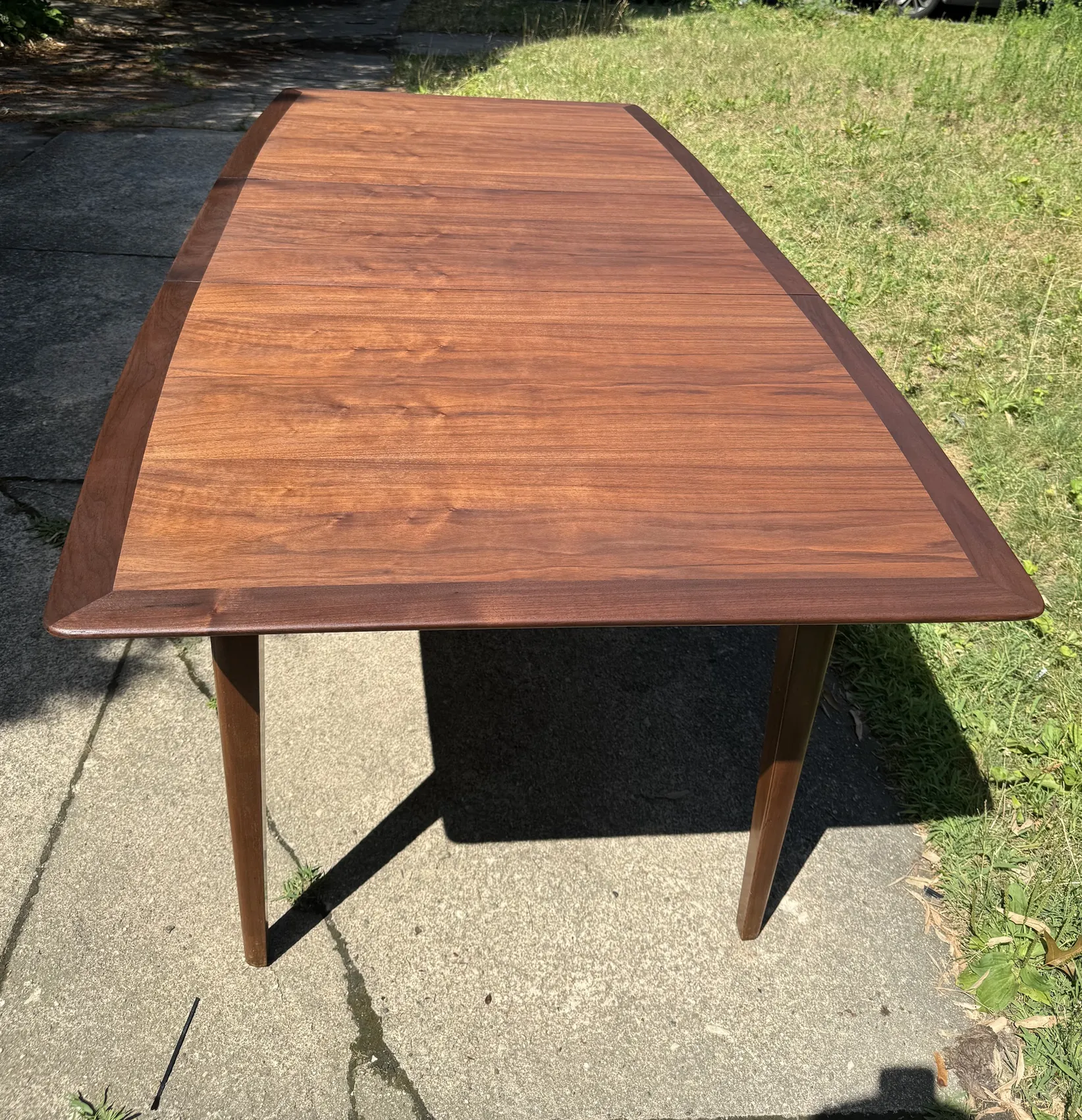
The table had already been coated by someone else before Repair Asap arrived, but the top coat never cured into a durable surface. The polyurethane stayed soft in places, felt tacky, and showed rings and pressure marks when cups or other objects were left on the table.
Because the surface needed controlled prep, sanding, stain work, and drying time, the technician brought the table to a workshop instead of attempting a rushed on-site patch.
The photos show the problem customers notice first: white cup rings, cloudy soft spots, and a tacky coating replaced by a cleaner stained surface and protective polyurethane top coat.
The failed soft coating kept holding cup rings and cloudy marks. After stripping, sanding, stain work, and a new protective top coat, the tabletop read clean again.
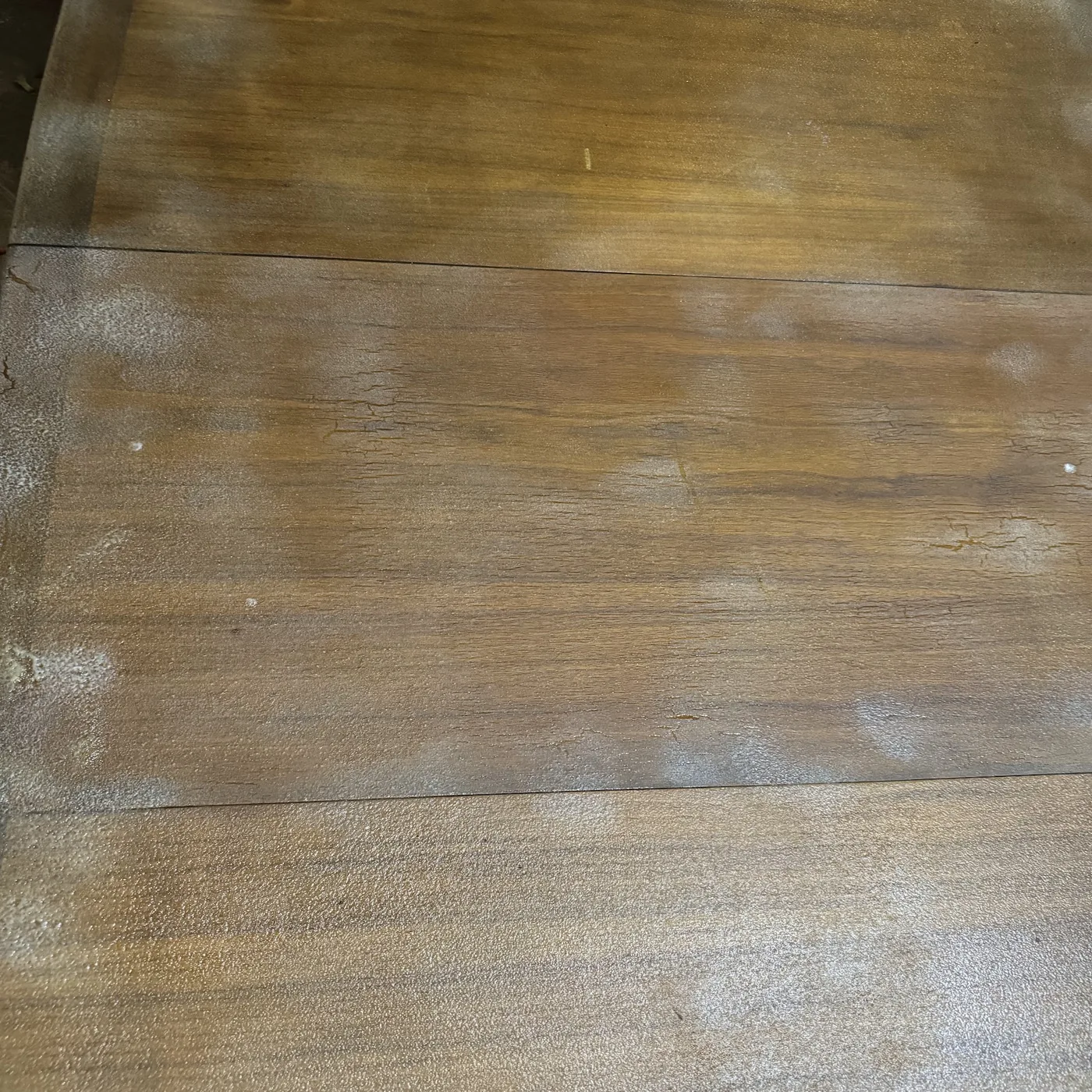
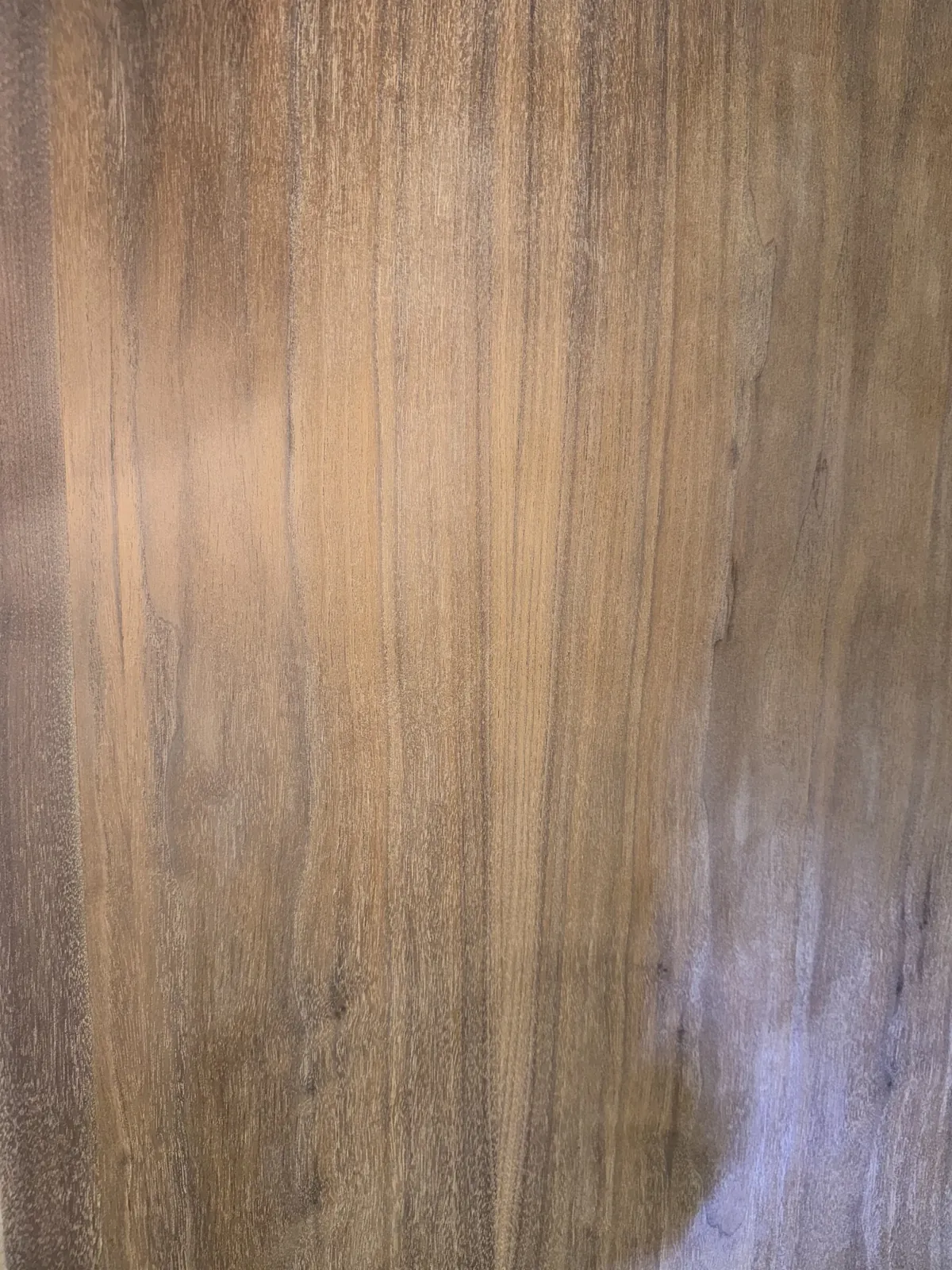
The cloudy, uneven coating was not covered up. It was removed so the new stain and finish could bond to a prepared wood surface.
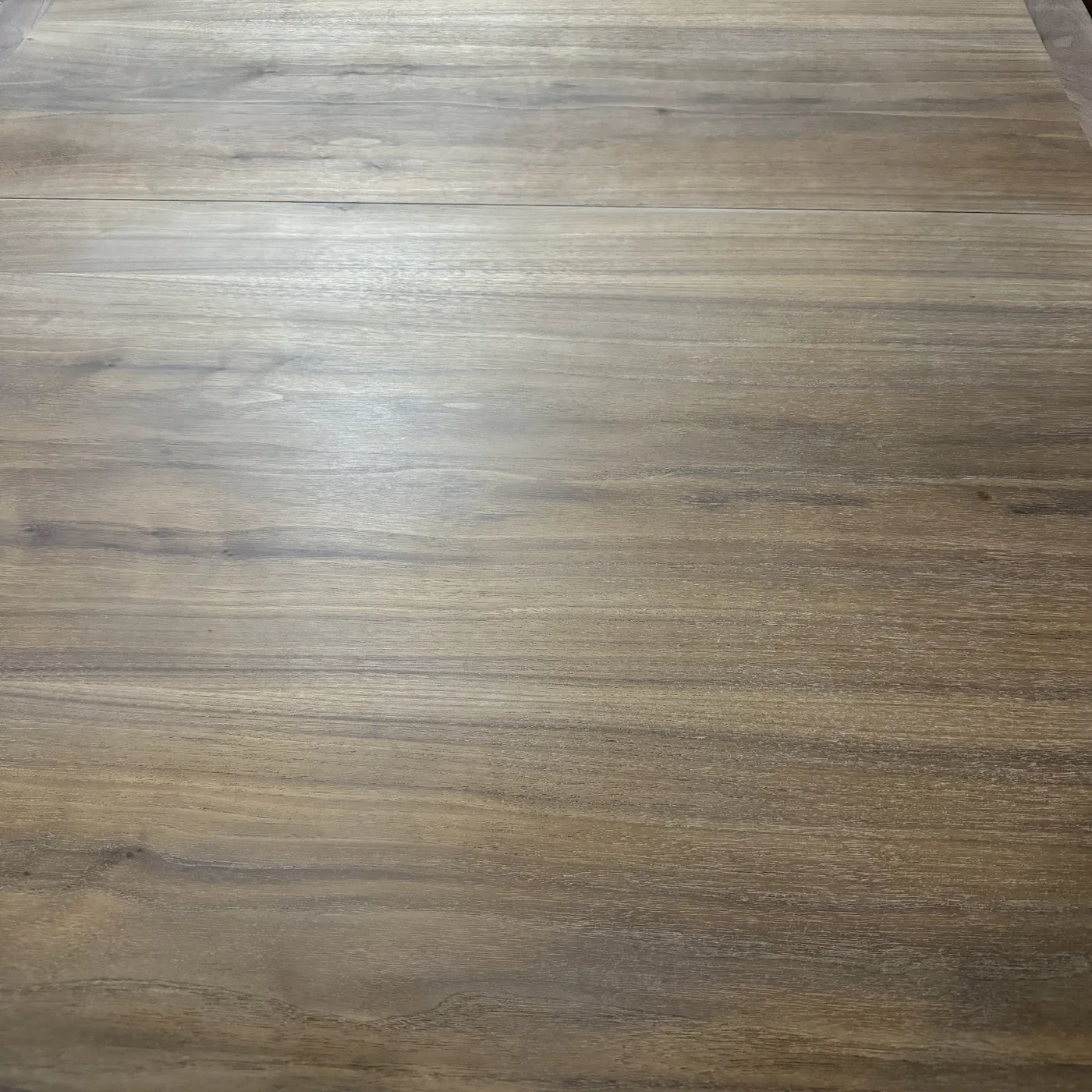
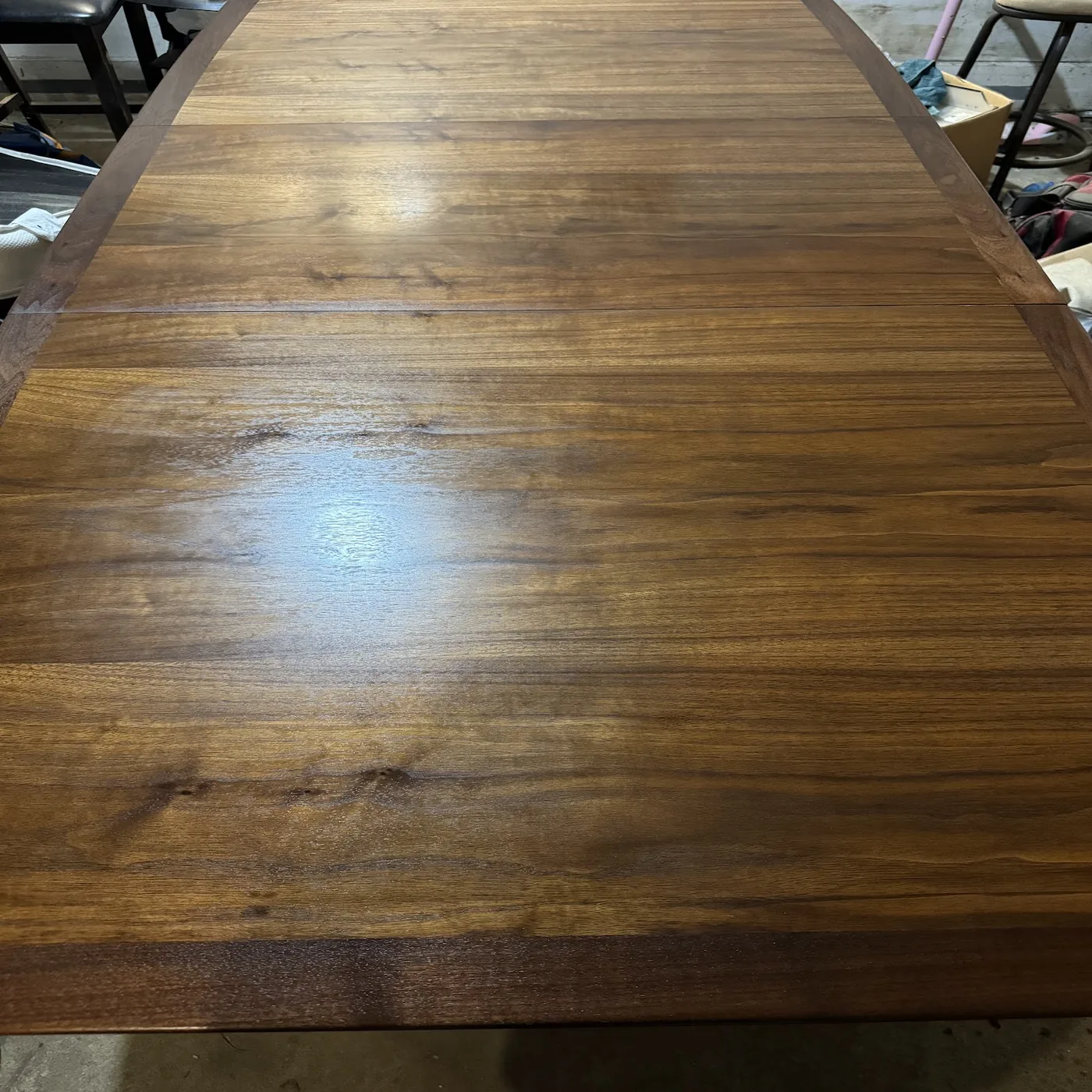
The stain tone was checked before the protective coat, then finished with a clearer surface that still shows the wood grain.
Only clean tabletop photos are used here — no screenshots, faces, or private chat details. The failed coating showed marks, cloudy areas, and tacky spots.
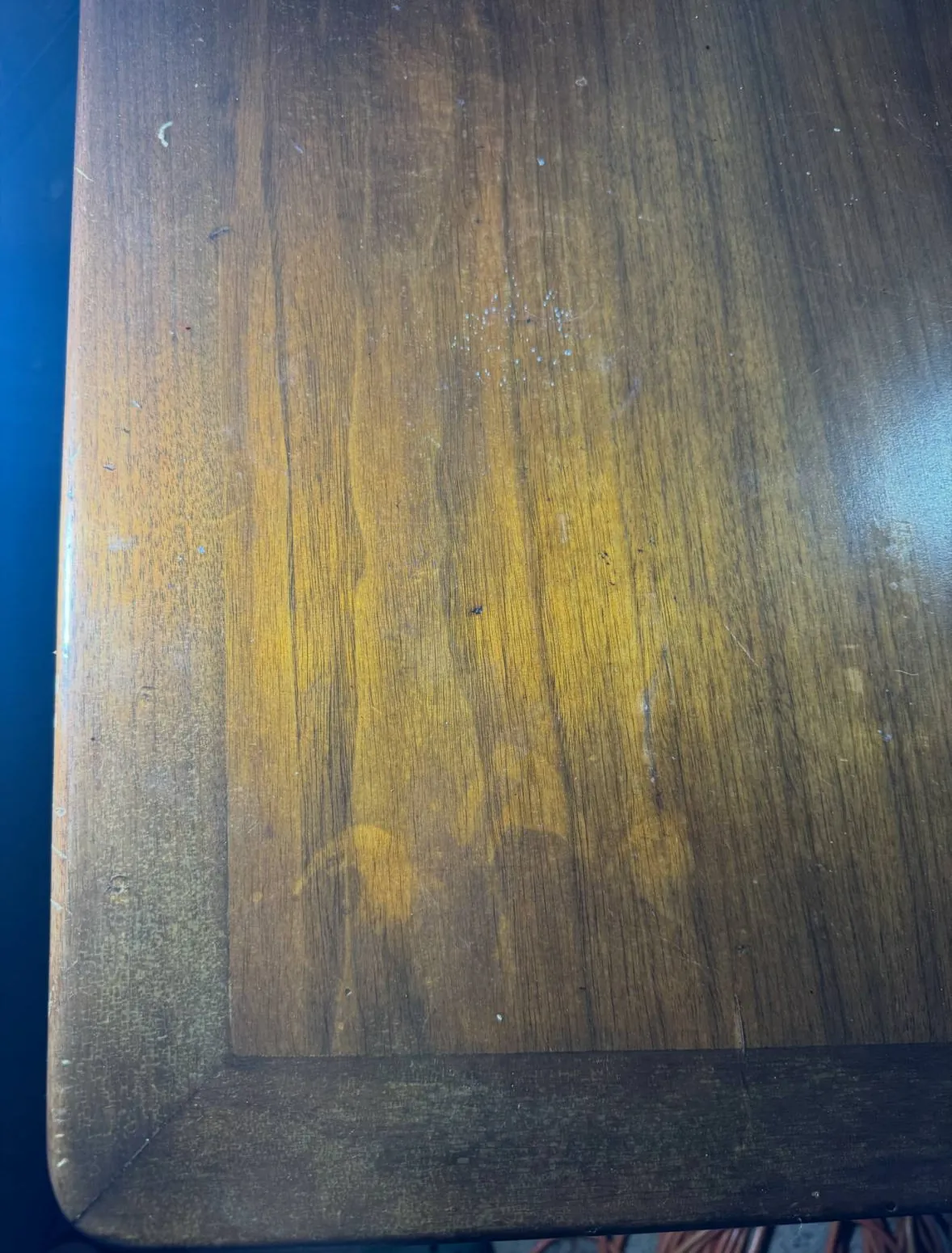
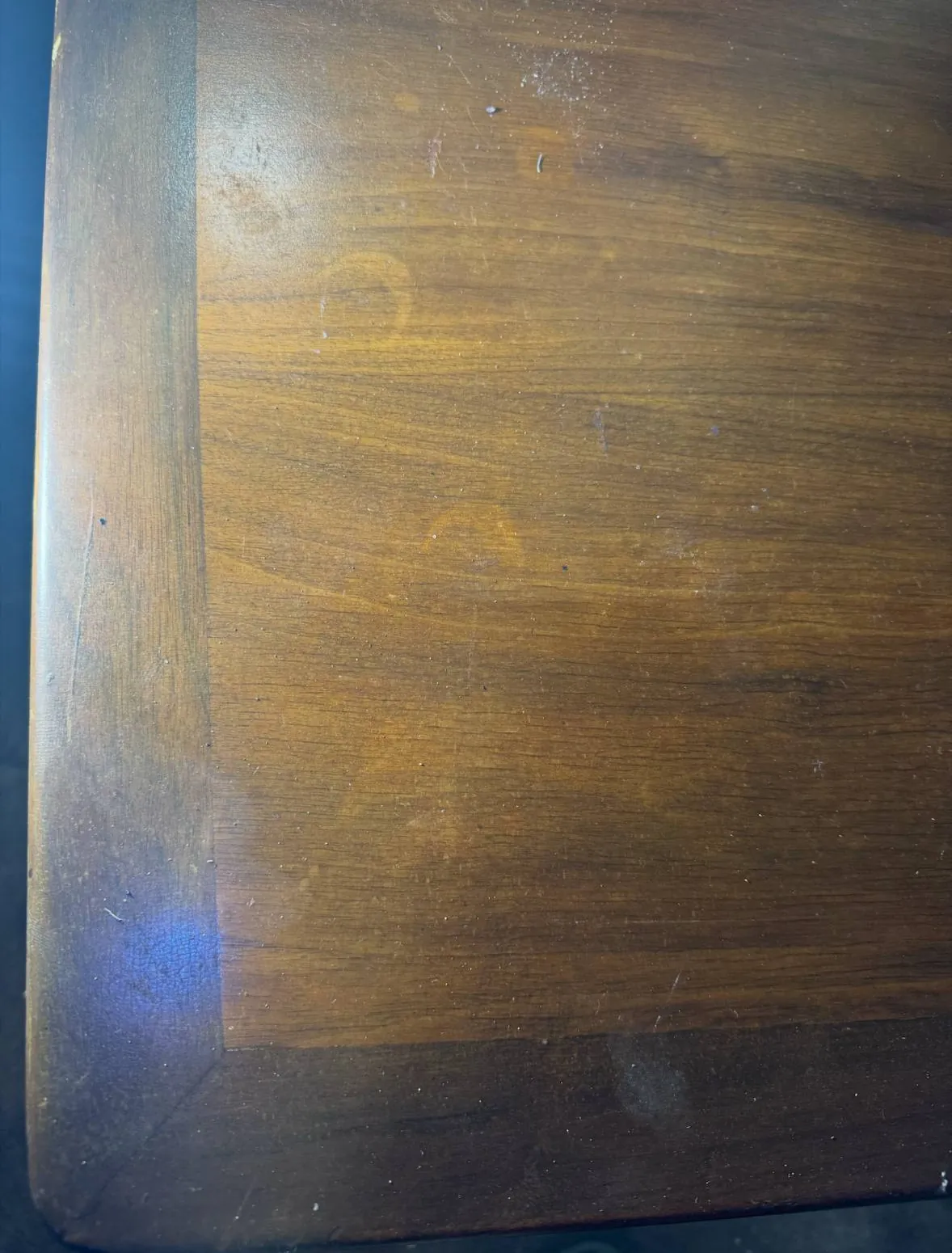
A sticky or tacky polyurethane problem usually cannot be solved by hiding it under a new coat. The failed coating has to be removed so the next stain and protective finish can bond properly.
The technician removed the old soft polyurethane, sanded and prepared the wood, confirmed a warmer stain color with the client, and — after stain drying time — applied a new protective polyurethane finish.
This project was completed over two days to allow stripping, stain drying, polyurethane application, and drying/curing time. Timelines vary by table size, coating condition, and finish system.
Selected workshop photos from the stripped-back surface and sanding setup through the stain color check.
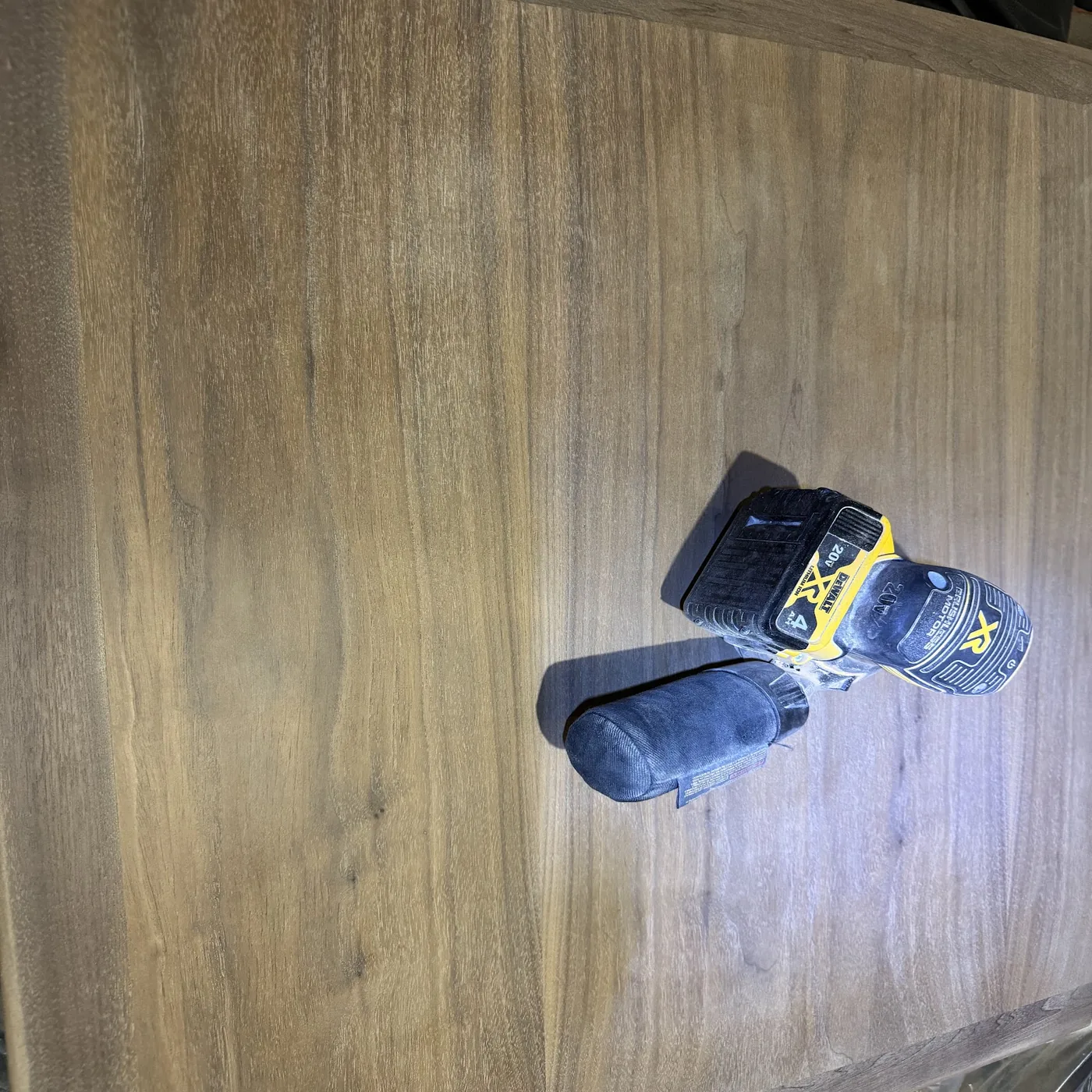
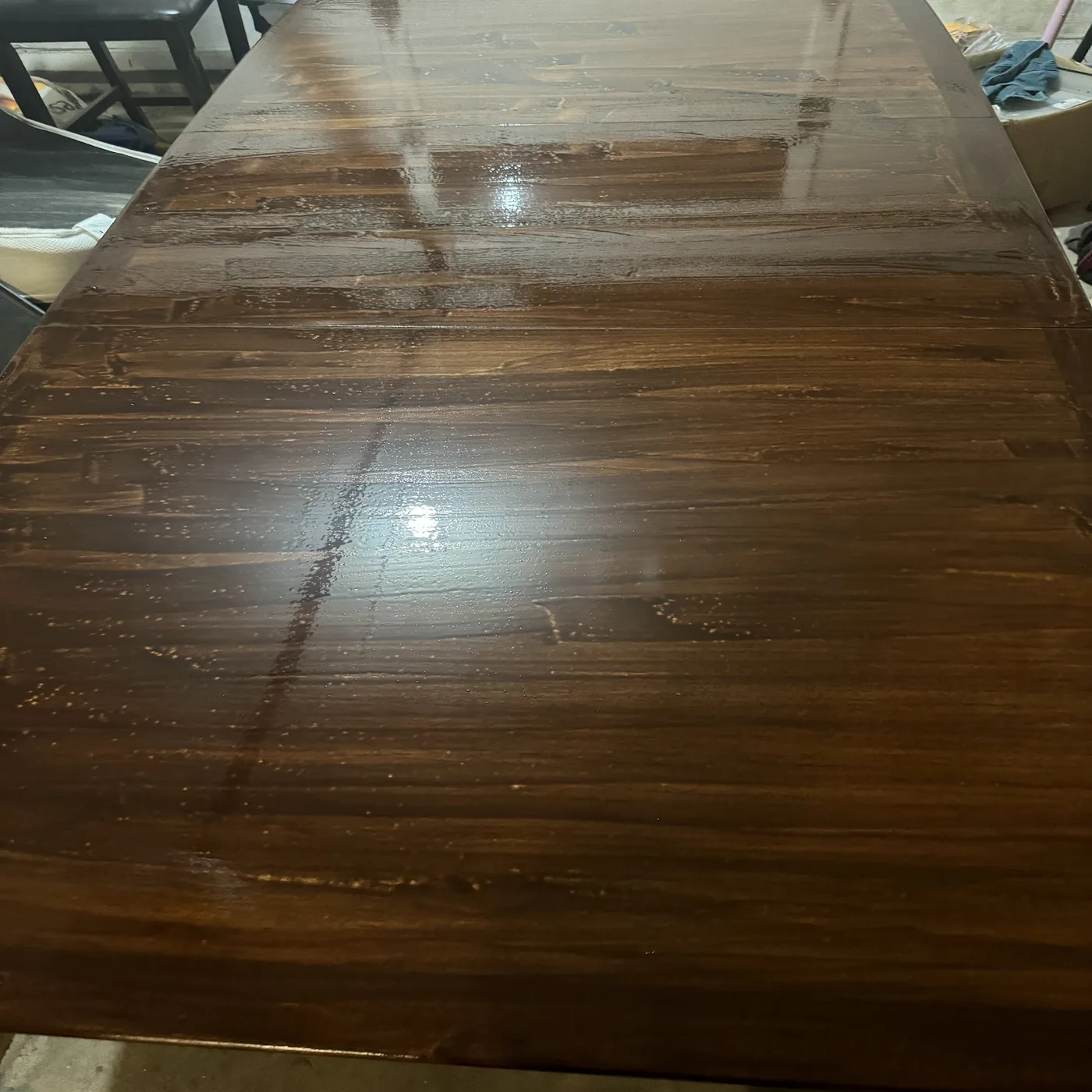
Close-ups of the approved stain tone and the new protective polyurethane top coat.
The table kept its wood character while gaining a cleaner, more usable protected surface for daily use.
This case connects to furniture work, general repairs, and painting/finish touch-up services across Queens and NYC.
A polyurethane top coat can stay soft and tacky if it was applied too thick, over an incompatible or uncured product, in poor conditions, or never fully cured. Once that happens, the surface keeps taking marks and a new coat on top usually will not fix it.
Usually no. The failed soft coating has to be removed first so the new stain and protective polyurethane can bond to a sound surface. On this table the old coating was stripped back before any new color or top coat went on.
This table was completed over two days to allow stripping, stain drying, polyurethane application, and drying/curing time. Timelines vary by table size, the condition of the old coating, and the finish system used.
Sometimes small touch-ups can be done on site, but sticky finish repair usually needs more controlled sanding, stain, ventilation, drying, and curing conditions. On this project the table was handled in a workshop instead of rushing the repair inside the apartment.
Send photos of the tabletop, close-ups of the problem areas, and the approximate table size, and Repair ASAP can recommend the next step for refinishing or repair.